
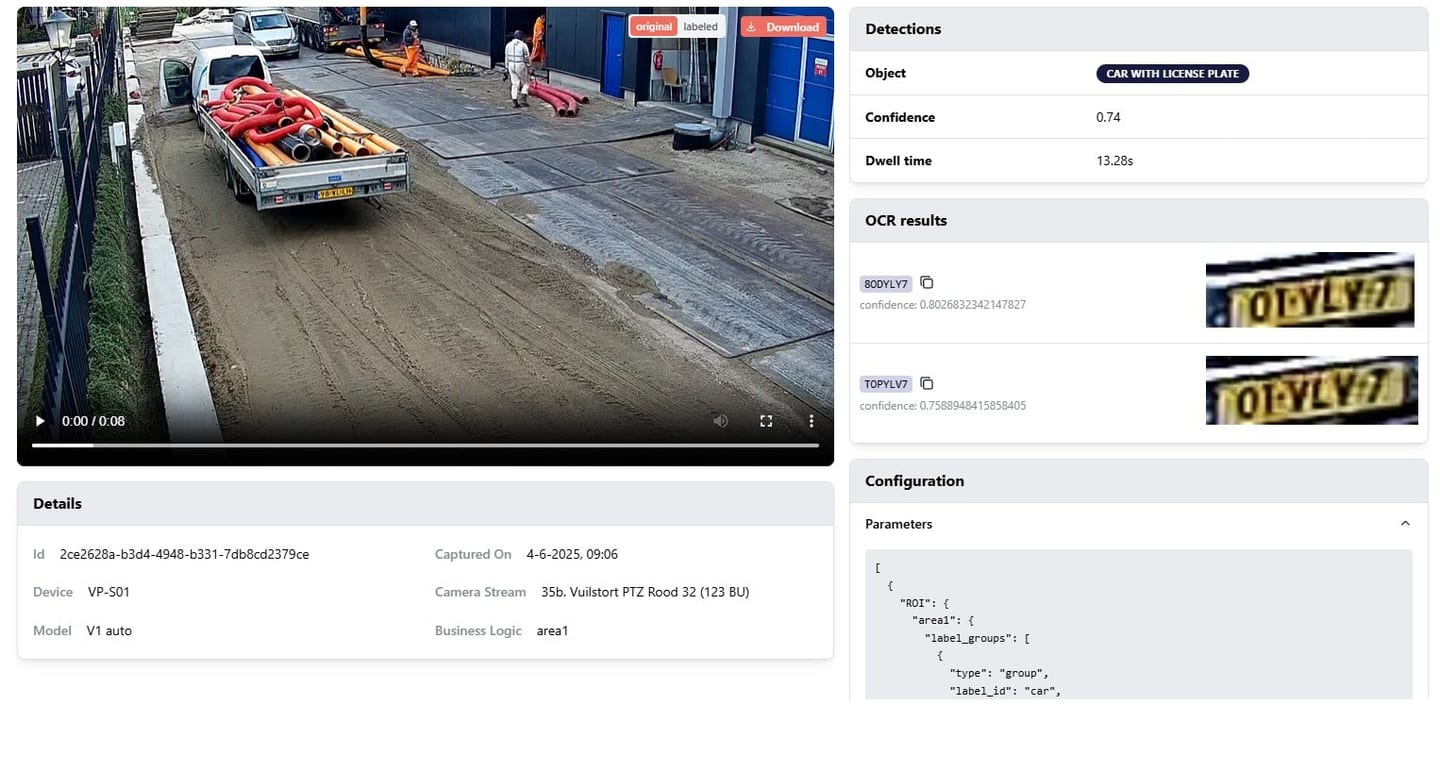
ANPR
Number plate recognition
Automatic number plate recognition can be used on almost any site. Every car is logged and stored by number plate in a database.
Mental health care CCTV
How do you use mental health care CCTV (GGZ) to protect clients and staff without losing sight of their privacy?
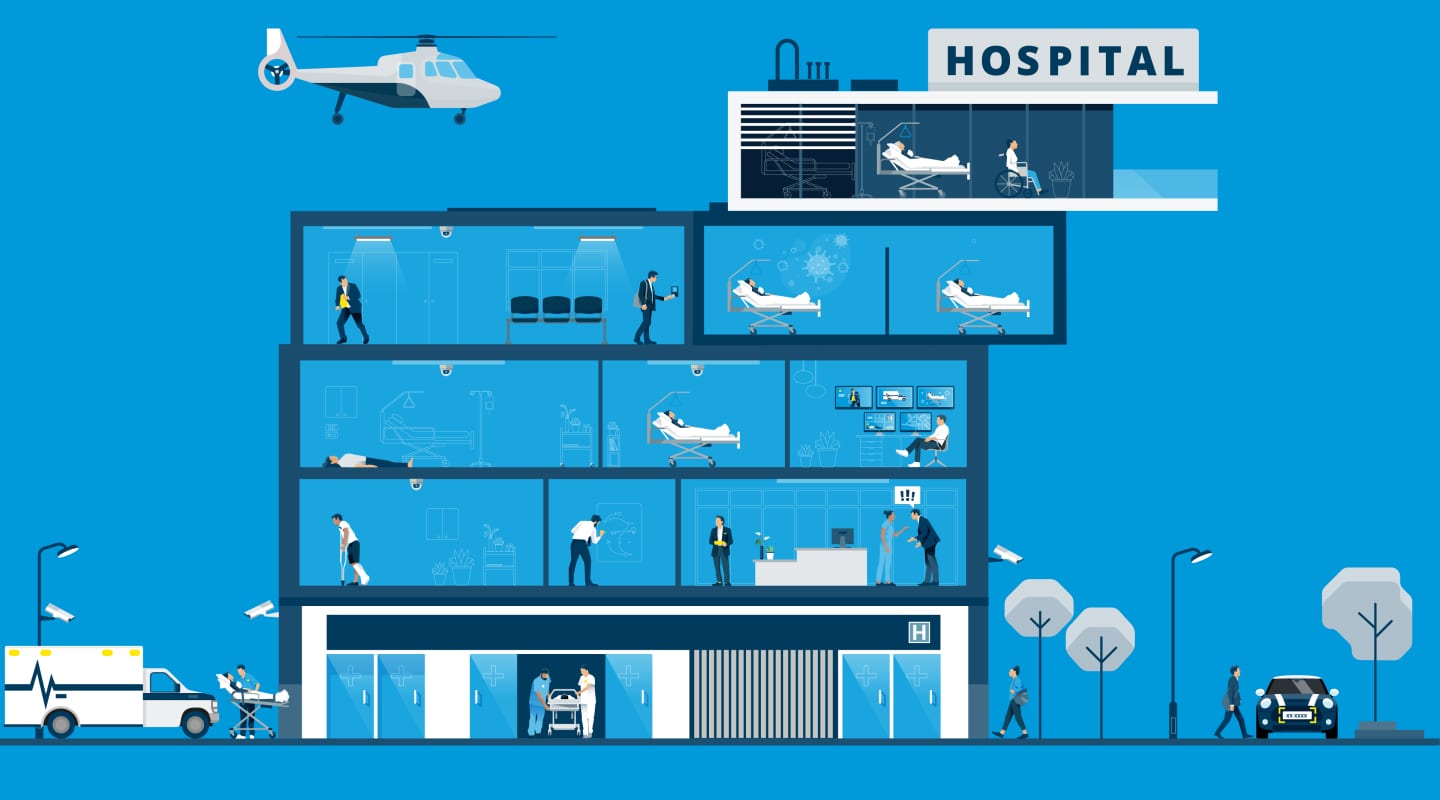
We advise on, implement and maintain CCTV systems for mental health care facilities, including secure care. With features such as fall detection and privacy blurring, we strike a balance between safety and privacy.
Security specialist since 1995
31years of experience
Trusted across the Benelux



























RRB Security specialises in CCTV solutions. For mental health care facilities, we work with specialised video management software for both regular and secure care.
We are happy to discuss our references with you in person. We offer a broad portfolio of solutions for the care sector.

RRB Security specialises in Milestone XProtect. The video management platform is ideally suited to organisations with advanced security requirements and manages multiple sites centrally.

RRB Security is Genetec Certified. Genetec Omnicast is the video surveillance part of the Genetec Security Center platform, which brings together CCTV, access control and number plate recognition. It is suitable for large organisations with many sites and integrations, and data and connections are encrypted.
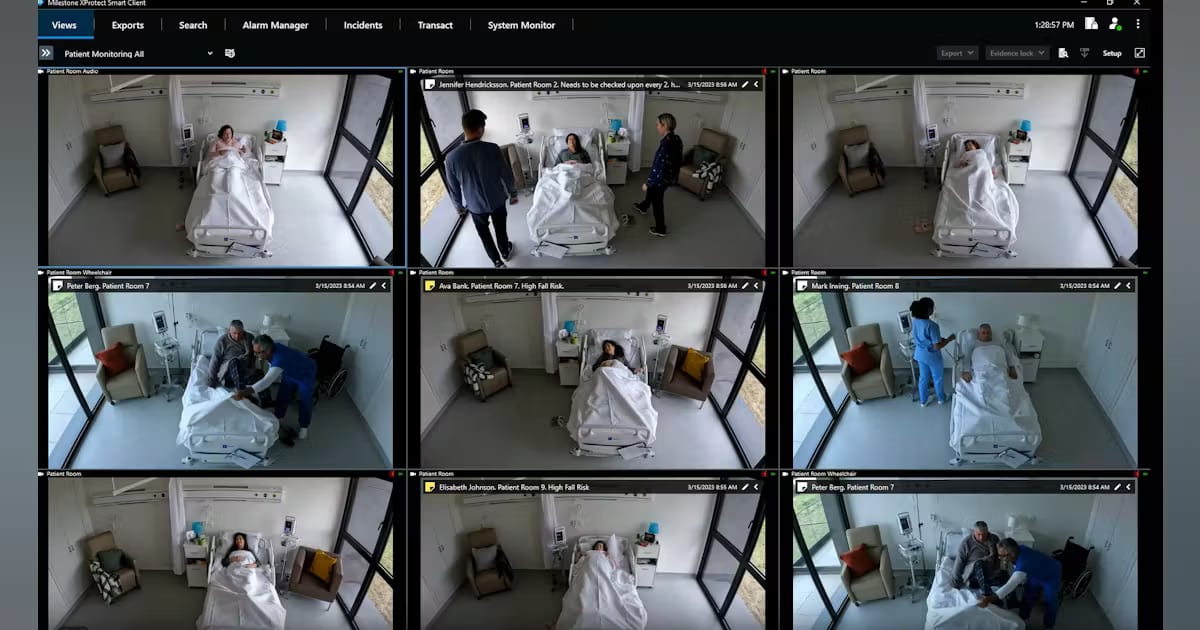
Placing cameras at strategic points, such as communal areas, entrances and corridors, demonstrably improves the safety of clients and staff. Incidents are detected faster, and staff can respond more effectively to emergencies.
Security cameras have a proven preventive effect. The presence of visible cameras reduces aggressive behaviour, theft and other unwanted activities in mental health care facilities.
More than just recording
Put camera footage straight to work in your daily processes and security organisation.
Automatic number plate recognition can be used on almost any site. Every car is logged and stored by number plate in a database.
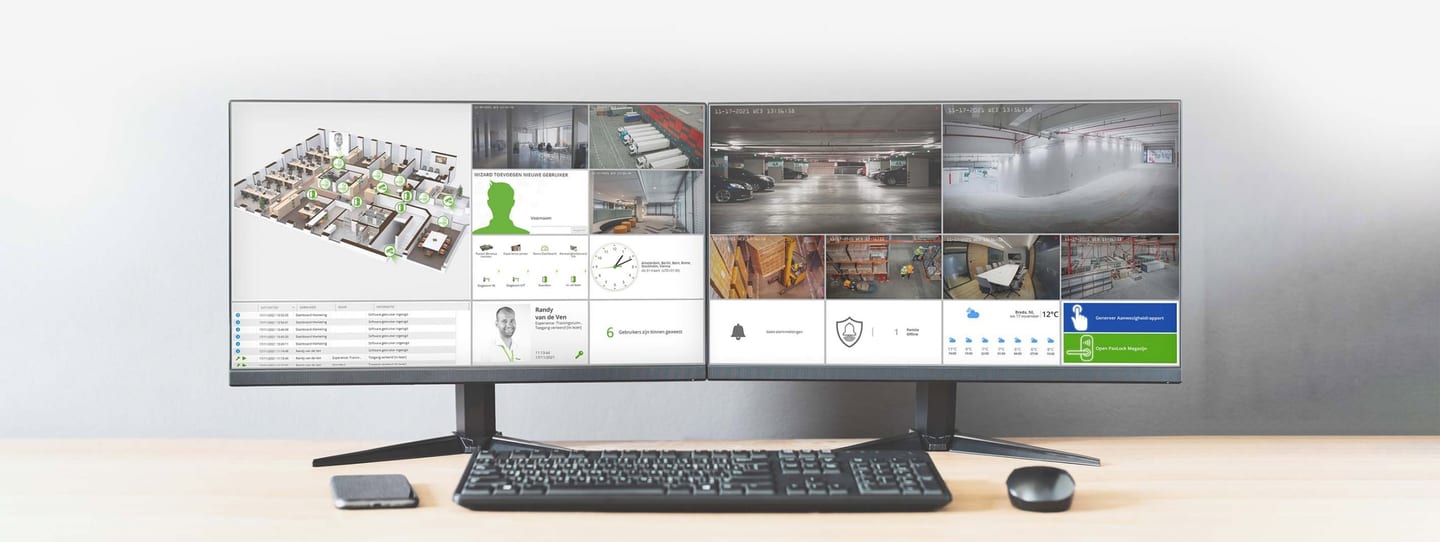
Link your time and attendance or access control system to your security cameras. Every time a tag or card is presented, it is linked directly to the camera footage.
We are happy to discuss our references with you in person. Do you have questions or would you like to make an appointment with our adviser? Fill in our contact form, with no obligation.
Using CCTV in mental health care facilities requires care. CCTV cannot simply be used anywhere; it is mainly permitted in public and semi-public areas, such as entrances, corridors, waiting rooms and communal areas. Cameras may only be placed in private areas such as bedrooms or sanitary facilities in highly exceptional cases, with explicit consent and under supervision.
Camera footage is used solely for security purposes and to support supervision. Footage is viewed in the event of incidents, to support care and assistance, or in legal proceedings. Access to camera footage is strictly limited to authorised staff.
By law, camera footage must be stored for as short a time as possible, often four weeks at most. Only if footage is essential for an investigation or court case may it be kept longer.
The balance between safety and privacy is essential in mental health care facilities. Clients have a right to privacy and must be able to feel comfortable. Clear communication about the purpose and location of CCTV is therefore necessary.
Before security cameras are installed, we carry out a thorough data protection impact assessment (DPIA). This assessment ensures that CCTV complies with privacy legislation and ethical standards in mental health care. Risks are made clear and appropriate measures are taken to safeguard privacy.
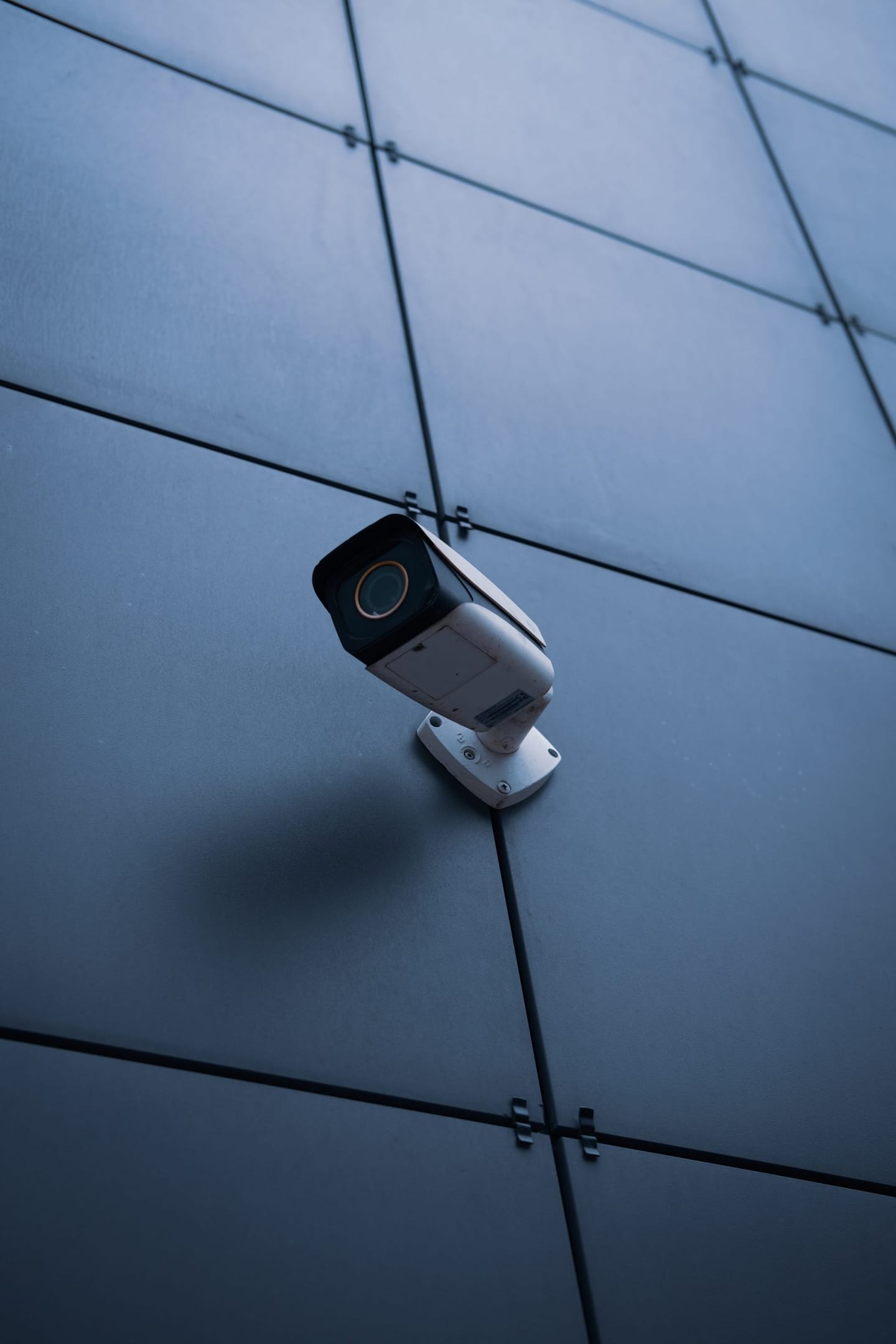
Is CCTV permitted in mental health care facilities?
• Answer: Yes, CCTV is permitted provided that privacy rules and the GDPR (AVG in Dutch) are carefully taken into account.
• Answer: Cameras may not be placed in private areas such as bedrooms or sanitary facilities, unless there is a very urgent reason and explicit consent.
• Answer: Only authorised staff, such as security officers and specific healthcare staff, may view camera footage. This only happens in the event of incidents or a specific need.
• Answer: Camera footage may usually be kept for four weeks at most, unless it is needed for a legal investigation or as evidence.
• Answer: A DPIA is an extensive analysis of privacy risks and legal compliance carried out before CCTV is installed.
Want to get in touch? 085 303 48 69
We are happy to help.
Frequently asked questions
Can't find your question? Our specialists are happy to help with advice that fits your situation.
RRB Security specialises in CCTV for mental health care facilities, for both open and secure care.
For GGZ De Hoop, we renewed the CCTV system with Milestone XProtect. The various sites are linked centrally.
View more frequently asked questions about how we work, quotes and costs.